Landscape Design
Beds Designed Around What the Property Actually Has
Custom landscape design in Livonia for properties with tired foundation plantings or undeveloped outdoor space
Livonia and Northville properties built between the 1980s and early 2000s were typically landscaped with a narrow band of foundation shrubs and little else—a planting approach that made sense at installation but leaves most of the visible landscape empty or overgrown by the time the property changes hands or reaches twenty years of age. Phantom Lawns handles landscape design for property owners who want to establish defined garden beds, introduce focal plantings, or replace exhausted stock that no longer contributes to the appearance of the property. Design and full plant installation are included as a single service—the property owner does not manage a separate contractor for the installation phase.
Every project begins with a site visit to assess what is currently in place. For properties starting from scratch—an empty side yard, a blank front bed, or a section that was stripped before the owner moved in—that visit is used to identify bed locations and develop a plant palette suited to the space. For existing landscapes being redesigned, the visit determines which plantings are worth keeping and which tired or overgrown stock should be removed before new flowers, shrubs, and perennials are installed. The service does not include retaining walls; the focus is on plant-based design and bed establishment.
Arrange a site visit with Phantom Lawns at (734) 725-1333 to assess what your property currently has and what a redesigned or newly established bed layout would involve.
What the Design and Installation Process Actually Accomplishes
Landscape design for residential properties in this area has a practical constraint that affects how it is approached: most lots in Livonia and Northville are not large enough to justify complex hardscape-driven design, and most property owners want better-looking outdoor space without committing to a major construction project. Plant-based design—selecting the right shrubs, perennials, and flowering plants for specific bed locations and light conditions—achieves defined, maintained-looking landscape without the cost or disruption of structural work. The design decisions made during the site visit account for mature plant size, growth rate, and how the bed will look across seasons, not just at installation.
After installation, the property will have established bed edges, newly planted material in the correct positions relative to each other and to the structures they are adjacent to, and a landscape that reads as intentional rather than incidental. Properties that came with the original builder-grade shrub row often look fundamentally different once that tired stock is replaced and a designed bed takes its place—the change in curb presence is immediate even before the plants have had a full season to fill in.
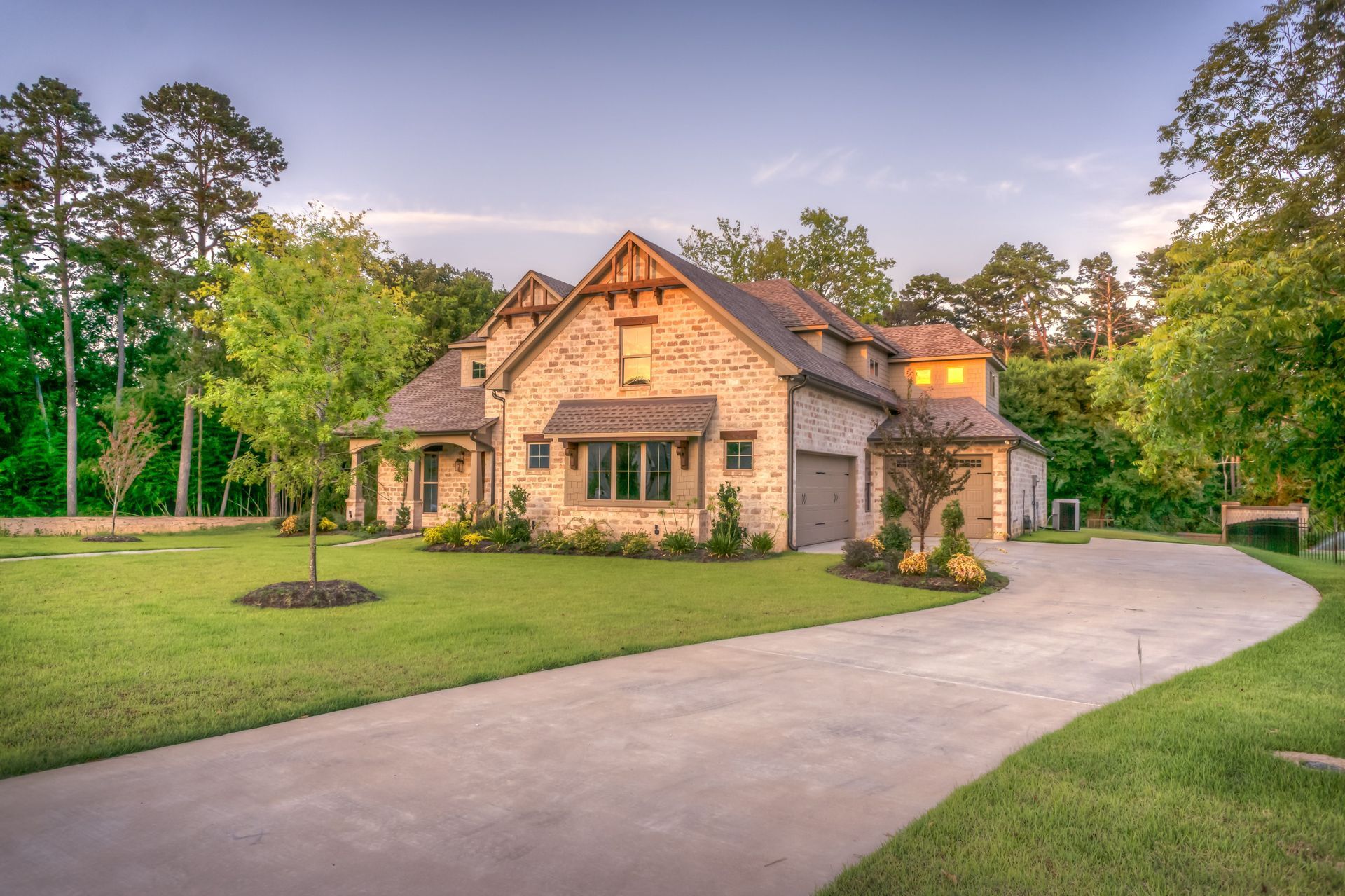
The plant palette selected during design accounts for what will hold up in the specific bed conditions: light exposure, bed depth, proximity to structures, and how much ongoing maintenance the property owner wants to commit to after installation. Lower-maintenance perennials that naturalize over time are a different choice than annuals that require seasonal replacement, and that trade-off is discussed during the design phase rather than discovered after the beds are planted.
FREQUENTLY ASKED QUESTIONS
What Property Owners Ask Before Starting a Design Project
The following questions address how landscape design and installation works at Phantom Lawns and what property owners with different starting conditions should expect from the process.
How does the site visit determine what design approach is used?
The visit establishes whether the property is starting from an empty or undeveloped space, has existing plantings worth keeping, or has deteriorated stock that needs removal before anything new goes in. That assessment drives whether the project is a new installation or a redesign with removal included.
What happens to existing shrubs or plants that are part of a redesign?
Plantings that are still structurally sound and positioned well within the new design can be retained and worked around. Tired, overgrown, or poorly placed stock is removed as part of the redesign process before new material is installed in corrected positions.
How is a plant palette selected for a specific property's beds?
Plant selection is based on the bed's light exposure, available depth, proximity to the foundation or walkways, and the mature size of the plants being considered. The goal is a bed that looks proportionate and maintained at maturity, not just at the day of installation.
Why does plant-based landscape design not include retaining walls?
Retaining walls involve grading, drainage, and structural considerations that fall outside the scope of plant installation and bed design. Properties that need grade correction or structural containment require that work to be completed before planting design begins.
What should a property owner in Livonia consider when choosing between perennials and annuals for a new bed?
Perennials return each season and require less replacement cost over time, but they take one to two seasons to reach their full visual presence. Annuals provide immediate color and density but need to be replanted each year. The right mix depends on how quickly the property owner wants the bed to look established and how much ongoing investment they want to commit to.
Phantom Lawns also provides landscape design in Plymouth, Canton, Northville, Westland, and South Lyon. Call (734) 725-1333 to schedule a site visit and discuss what a redesigned or newly established landscape would look like for your property.