
Bush Trimming
Shrubs Shaped for Health and Clearance
Bush trimming in Livonia for foundation plantings and ornamental shrubs that have outgrown their intended space
Foundation plantings on Livonia-area residential properties tend to be vigorous growers—euonymus, yew, boxwood, and spirea are common choices in both established subdivisions and newer construction, and all of them require consistent pruning to stay within their intended footprint. Phantom Lawns trims and shapes bushes and shrubs for residential and commercial properties across Livonia, addressing overgrowth that crowds siding, blocks windows, or presses against utility runs along the foundation. Each shrub is evaluated individually before cutting begins, since growth rates and structural issues vary even within the same bed.
The approach starts with removing dead wood and any crossing branches that are creating interior congestion. Shaping follows, based on the plant's natural form and how much reduction is appropriate without stressing the root system. All trimmings are collected and removed from the site. Phantom Lawns handles this as both one-time pruning visits and as part of ongoing maintenance contracts for properties that need regular intervals of shaping through the growing season.
Schedule an on-site evaluation to review the current condition of your foundation plantings and identify which shrubs need immediate attention versus routine maintenance.
The Difference Between a Cut and a Proper Prune
Shearing a shrub flat removes growth uniformly but does nothing about the internal branch structure causing congestion. Over time, repeated shearing creates a dense outer shell with declining interior growth, which weakens the plant and makes it harder to reduce back to size without cutting into old wood that won't push new growth. Phantom Lawns evaluates the internal structure of each shrub—not just the silhouette—before deciding how much hand-pruning versus shearing is appropriate for that specific plant in its current condition.
After trimming is finished, the shrub holds a cleaner line and the interior has better airflow, which affects how the plant develops through the rest of the growing season. Foundation beds in Plymouth-area properties with mature ornamental shrubs often show the most visible difference in this regard—established shrubs that have been properly pruned versus simply sheared are noticeably different in density and structure within a single growing season.
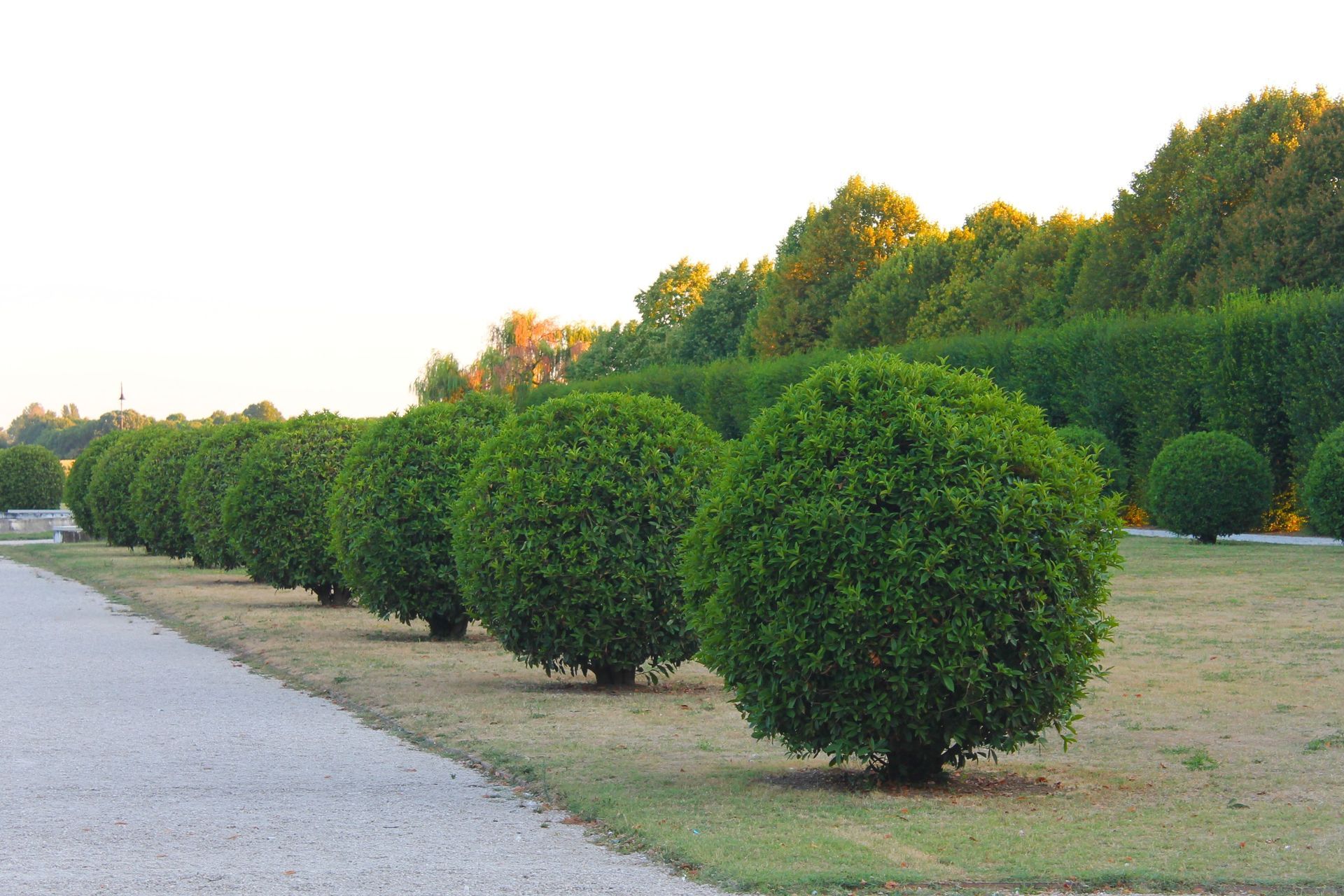
Properties with a mix of shrub types in the same bed are assessed plant by plant, since growth rates, dormancy timing, and acceptable reduction levels vary by species. What's appropriate for a yew doesn't apply to a spirea planted two feet away. That individual assessment is what separates a maintenance visit that genuinely benefits the landscape from one that just reduces height uniformly.
FREQUENTLY ASKED QUESTIONS
Questions Before Starting Your Project
The following questions address how bush and shrub trimming works in practice—what drives decisions on site, how the work is staged, and what the finished result looks like across different plant types and bed configurations.
How is each shrub assessed before trimming begins?
The evaluation looks at the current shape, interior branch density, presence of dead wood, and how close growth has come to adjacent structures or plantings. That assessment determines whether the shrub needs selective hand-pruning, shearing, or a combination of both.
What gets removed first during a trimming visit?
Dead wood and crossing branches are cleared before any shaping begins. Removing congested or competing growth from the interior improves airflow and gives a clearer picture of the shrub's true structure before the outer form is addressed.
How much can a overgrown shrub be reduced in one visit?
That depends on species and how far back the plant has been allowed to grow. Hard-wooded evergreens like yew tolerate significant reduction, while some flowering shrubs pushed back too far in the wrong season won't recover well. Each plant is evaluated on those terms before a reduction decision is made.
What does a properly trimmed shrub look like when the job is finished?
The silhouette is clean and consistent, the base is visible rather than buried in outward-spreading growth, and the plant sits within its intended footprint relative to the bed edge and adjacent structures. Trimmings are removed entirely—nothing is left to decompose in the bed.
How does trimming differ between foundation plantings and free-standing ornamental shrubs?
Foundation plantings are managed with clearance from siding and utility access in mind, which sometimes limits how the natural form can be expressed. Free-standing ornamentals have more latitude for shape, so pruning decisions there focus more on the plant's growth habit and less on structural clearance.
Phantom Lawns also performs bush trimming in Plymouth, Canton, Northville, Westland, and South Lyon. Call (734) 725-1333 to set up a walkthrough of your shrub beds and confirm what the current growing season's trimming will involve.